May, C., Cunnington, A.V., Shum, P. et al. Jellyfish (Scyphozoa and Hydrozoa) as natural environmental DNA samplers: a case study in the Northern Adriatic sea. Mar Biol 173, 31 (2026). https://doi.org/10.1007/s00227-025-04784-4
Sampling environmental DNA
Marine biodiversity surveys are expensive and difficult to fund at times. Due to this, scientists are always looking for new, cost effective strategies to collect as much data as they can. Current work collects DNA from the environment, known as eDNA, to document organisms in an area without having to directly observe them. While this has cut back on costs and labor compared to traditional surveys, the instruments and soak times needed to collect quality data still limits how often surveys can be done. Rather than stop there, scientists are looking at a strange method to collect eDNA; jellyfish.
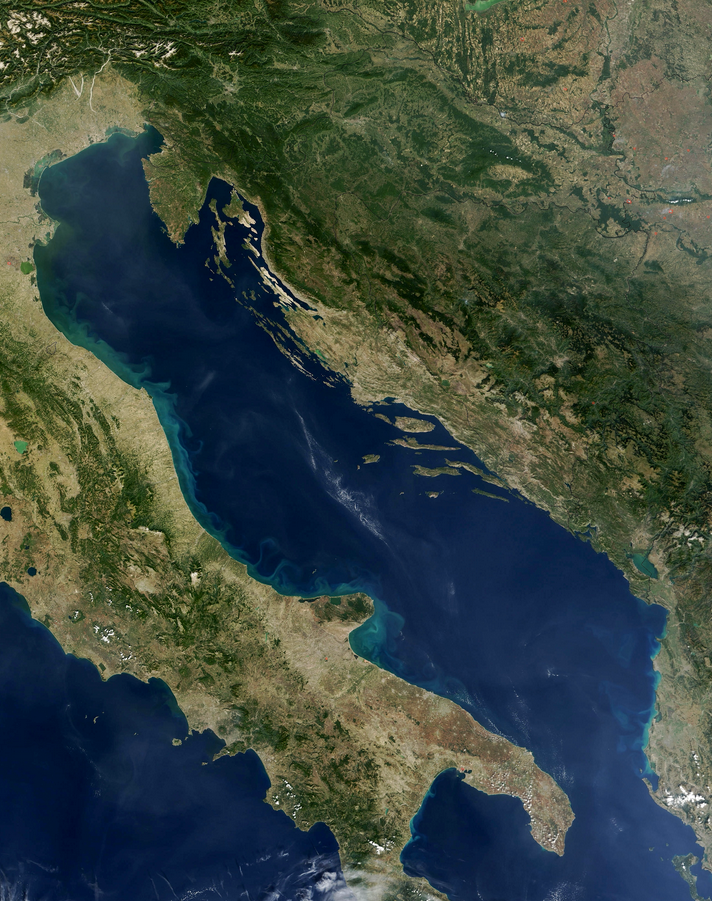
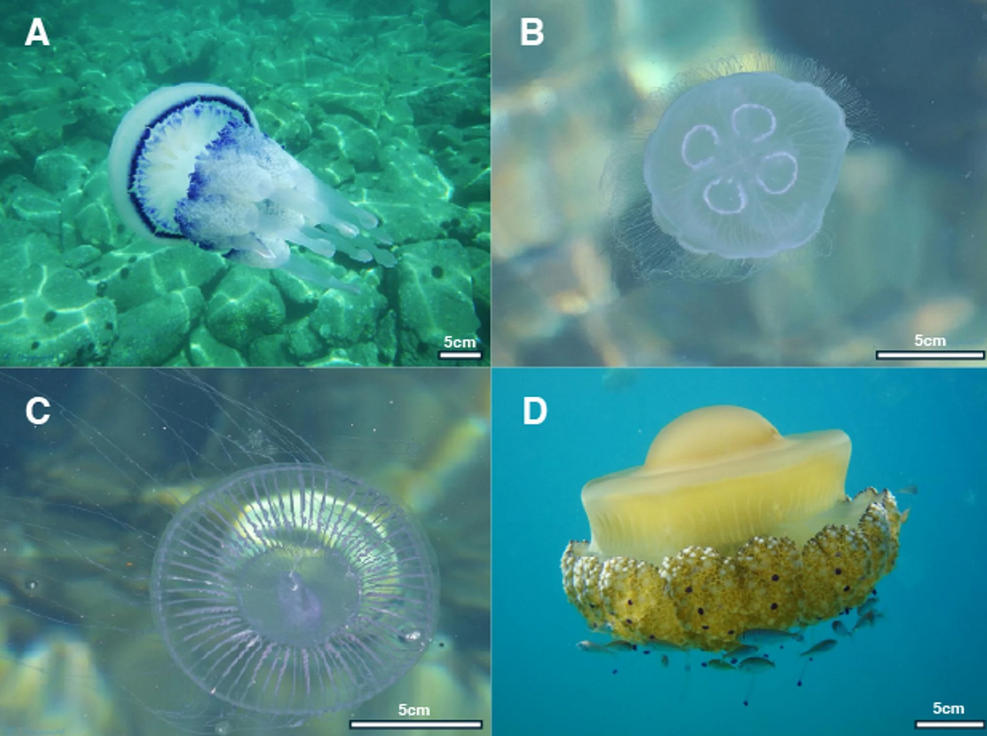
May et al. 2026 sampled four species of jellyfish with a variety of behaviors and habitat preferences from the Gulf of Trieste in the Adriatic Sea:
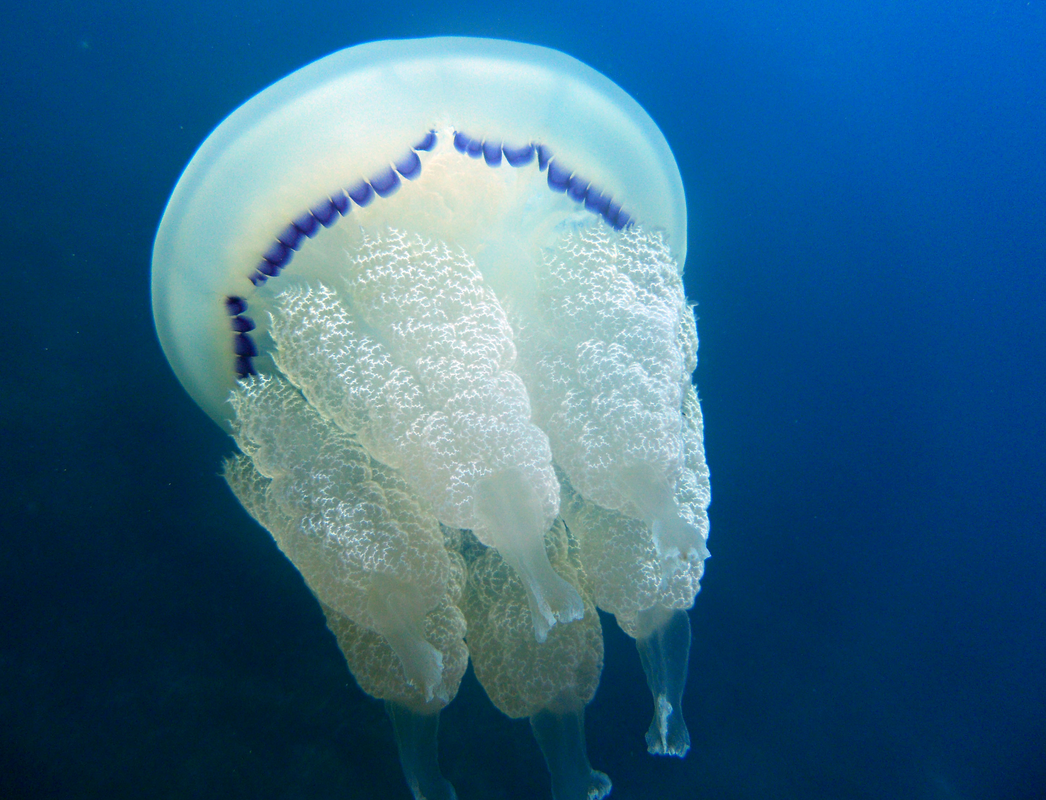
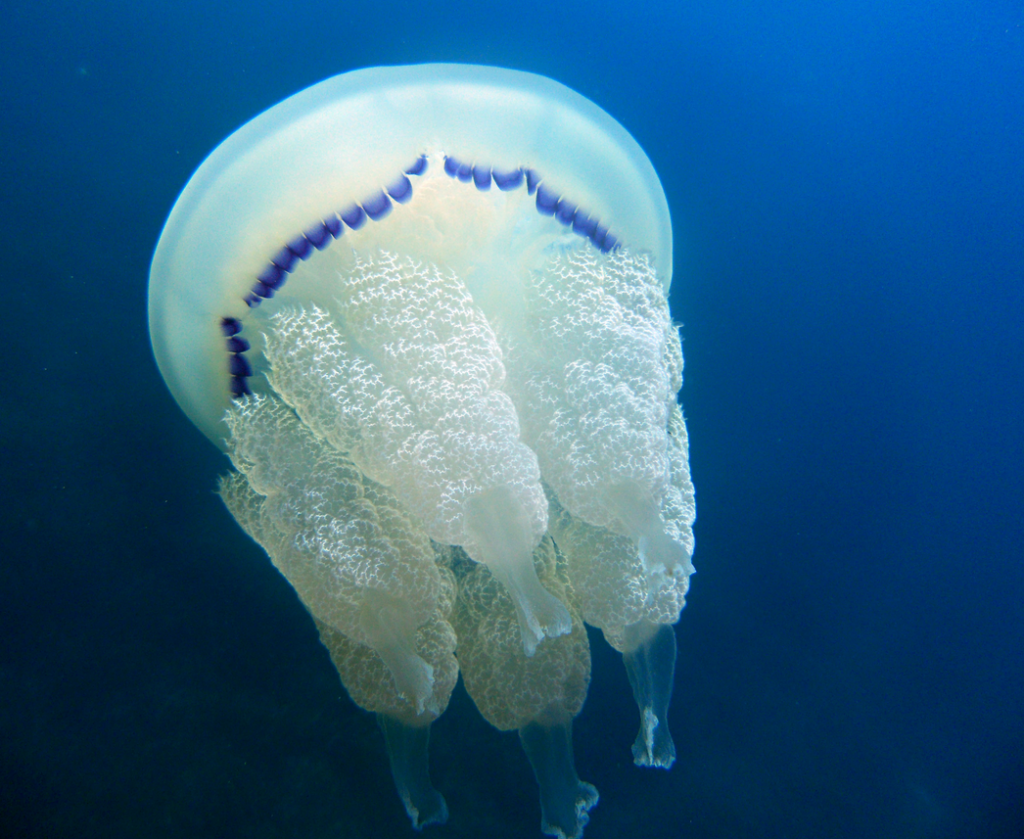
- Barrel jellyfish (Rhizostoma pulmo)
- Moon jelly (Aurelia solida)
- Many-ribbed jellyfish (Aequorea forskalea)
- Fried-egg jellyfish (Cotylorhiza tuberculata)
Sticky Catchers
Results found that jellyfish can successfully capture diverse fish eDNA signatures from multiple ecological niches. The study identified DNA from common open water species such as anchovy, sprat, Mediterranean horse mackerel, and bluefish, as well as sea floor species including gobies, blennies, dragonets, and hake. These findings suggest jellyfish absorb eDNA across a broad vertical and spatial range. Importantly, this broad detection indicates that jellyfish could supplement traditional marine surveys by revealing species that might otherwise be missed by typical sampling methods.
This is promising in evolving current eDNA sampling, utilizing natural samplers of eDNA. Jellyfish are globally abundant, often easy to collect, and already present in many marine systems, making them practical candidates for opportunistic biodiversity surveys. Their use could be especially valuable in marine protected areas, remote parts of the ocean, or situations where invasive sampling is restricted. By reducing equipment costs and labor associated with traditional eDNA filtration, jellyfish natural samplers may help make marine biodiversity surveys more accessible.
Jelly Limitations
However, the study also revealed substantial variability among jellyfish species and tissue types. Some species yielded more consistent and richer eDNA profiles than others, likely due to differences in feeding behavior, morphology, and digestion. For example, oral arms often contained more detectable DNA than umbrellas, reflecting their greater role in prey capture.
The authors noted a smaller amount of samples were collected from the moon jelly and many-ribbed jellyfish compared to the barrel jellyfish and fried-egg jellyfish. Quality control found large amounts of human DNA in these samples indicating contamination. Sterile techniques were not followed in the field which could be the source. Therefore, while promising, jellyfish-based monitoring requires further refinement before widespread implementation. Standardized sampling protocols and replication will be necessary to improve reliability.
The Future is Jelly?
While these limitations should be acknowledged, we shouldn’t stop pursuing alternative survey techniques. This approach opens a new pathway for cost-effective, sustainable open water ecosystem monitoring. Future research should focus on protocol optimization, larger sample sizes, and direct comparisons with standard eDNA methods to determine how jellyfish sampling can best complement existing surveys.

I am a recent MSc graduate in marine biology from Bangor University, where I studied population dynamics of elasmobranchs off the coast of Wales. My interests lie in ecological data analysis to understand environmental processes and identify natural patterns. However, nothing beats being in the field and interacting directly with the marine life.