Taylor, J.M., Hansson, S., Höglander, H. and Karlson, A.M.L. (2025), Incorporation of diazotrophically fixed nitrogen by juvenile fish in a coastal sea. Limnol Oceanogr. https://doi.org/10.1002/lno.70189
If you’ve ever taken an aquatic biology class, you’ve probably heard that climate change is reshaping the oceans—and that harmful algal blooms (HABs) are expected to get worse as warmer temperatures favor the growth of small, quickly adapting algae. These blooms can disrupt ecosystems, poison fish, and affect human health. But as with many things in nature, there’s more to the story.
Cyanobacteria, for instance, are some of the most important photosynthesizers on Earth. Prochlorococcus and Synechococcus alone are responsible for about half the planet’s oxygen. Yet, many cyanobacteria are also known for forming harmful blooms that can release toxins into coastal waters. While much of the research has focused on their negative effects, some scientists are now asking: can blooms ever be helpful?
How Nitrogen Gets Fixed
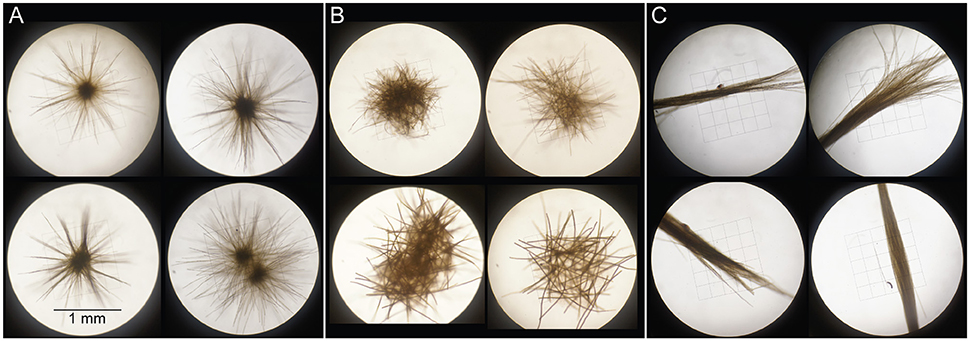
Among cyanobacteria, some species are known as diazotrophs—microbes that can convert atmospheric nitrogen gas into ammonia, a usable form of nitrogen that supports growth across the food web. This “fixed” nitrogen has the potential to benefit ecosystems by increasing nutrient availability.
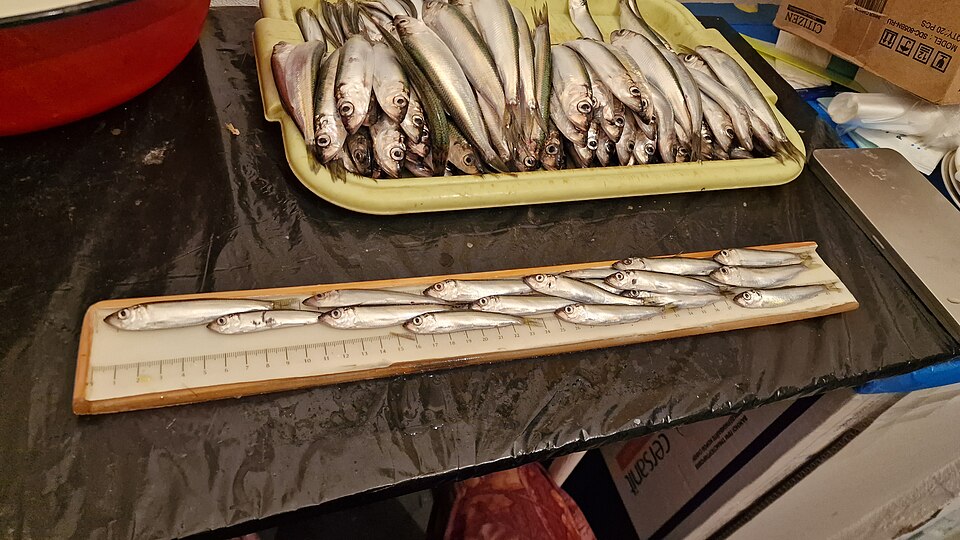
This is especially relevant in the Baltic Sea, where cyanobacteria bloom regularly and interact with species found throughout the ecosystem. One key species is the Atlantic herring (Clupea harengus), a commercially valuable fish that feeds heavily on zooplankton during its early life stages.
Interestingly, the timing of cyanobacterial blooms often overlaps with a critical period for juvenile herring, when food availability can make or break survival. If blooms boost nitrogen and support more zooplankton, they might actually help fish thrive.
Tracking Nitrogen Through the Food Web
A research team in Sweden set out to test whether cyanobacterial nitrogen can be traced up the food web—from microbes to fish. Nitrogen is often a limiting nutrient in aquatic environments, so studying how it flows through ecosystem trophic levels is important. To do this, they used compound-specific isotope analysis of amino acids (CSIA-AA), a precise method for tracking nutrient pathways using stable isotopes like ¹⁵N.
Instead of analyzing whole tissues, CSIA-AA measures nitrogen isotopes in individual amino acids, allowing the researchers to follow nitrogen fixed by cyanobacteria as it moves through the trophic levels from the microbial loop into zooplankton, shrimp, and juvenile herring.
A Tale of Two Sites
The study was conducted at two coastal Baltic Sea sites: one low-nutrient reference site further out to sea and another more nutrient-rich location downstream of a sewage treatment plant. The second site, prone to eutrophication, regularly experiences intense cyanobacterial blooms.
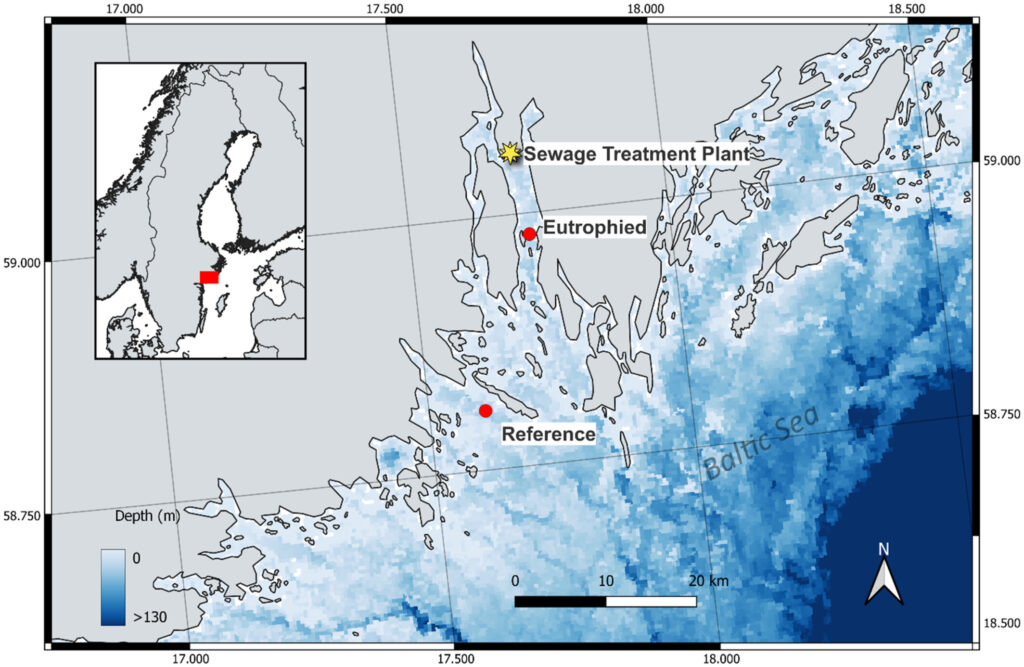
The findings were clear: juvenile herring at the eutrophied site had a much higher proportion of nitrogen fixed by cyanobacteria—around 34%, compared to just 18% at the reference site. There was also a strong link between bloom intensity earlier in the season and nitrogen content in the fish later on, showing a clear pathway that the nutrient takes.
Rethinking Harmful Blooms
This study challenges the idea that cyanobacterial blooms are always bad. While many do produce toxins, others—like Aphanizomenon sp., a dominant species in this study—are non-toxic in the Baltic. In some cases, blooms may even offer small fish a place to hide from predators.
By tracing nitrogen isotopes through individual amino acids, the researchers showed that blooms dominated by nitrogen-fixing cyanobacteria can boost food web productivity, benefiting key commercial species like herring.
Cyanobacterial blooms aren’t always the villains they’re made out to be. In certain conditions, they can help fertilize the food web—providing essential nutrients that support fish growth and ecosystem function. As climate change drives more frequent blooms, understanding this nuance is more important than ever.
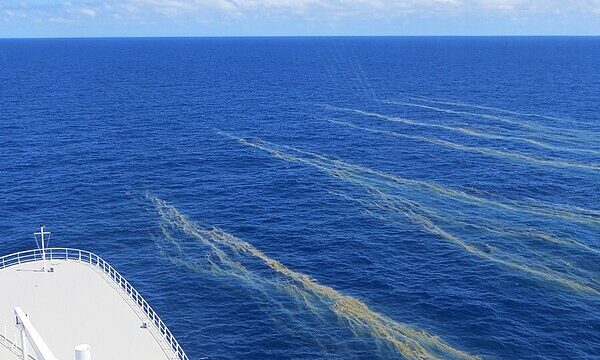
Cover image is a diazotrophic cyanobacteria bloom off the Great Barrier Reef, Wexcan, Wikimedia

I’m a former oceanographer with an MSc in Biological Oceanography from UConn where I studied mixotrophy in marine ciliates. After a year in Poland (studying freshwater critters) I moved to California. I currently work as a lab technician at Stanford. Outside of science, I enjoy a good book, a long run, and frozen fruit.


.jpg)
