Nikitashina, V., Pohnert, G. Metabolic partitioning between photosynthesis and osmotrophy in Collodaria photosymbiotic holobionts. Nat Commun 17, 8570 (2026). https://doi.org/10.1038/s41467-026-76549-6
The marine microbial world is complicated
As technology advances, oceanographers are gaining more access to the microbial world, and the line between organisms that make their own food (autotrophy) versus consume it (heterotrophy) keeps getting blurrier. More and more, it’s becoming evident that mixotrophy, doing both at once, is the norm rather than the exception, and the most common form of this is a symbiotic relationship between a larger organism such as corals, sponges, mollusks, or jellyfish, and an algal passenger known as an endosymbiont. These “holobionts,” the combination of the two organisms, are ecologically important, and researchers are now trying to fold these relationships into ecological models.
To do that, however, requires an understanding of what each partner actually contributes. The general model suggests that the endosymbiont provides organic compounds like carbon through photosynthesis to the heterotrophic partner. However, how much carbon changes with conditions and the particular pairing. For instance, in sea slugs with chloroplasts stolen from the algae they eat, photosynthesis provides less than 1% of the organic carbon needed. Meanwhile, in corals or jellyfish, the photosynthetic contribution of the symbiont appears to fully meet the carbon requirements of the larger organism. While some relationships are more understood, the contribution of photosymbionts to planktonic hosts such as radiolarians is poorly studied.
Photosynthesis in a glass house
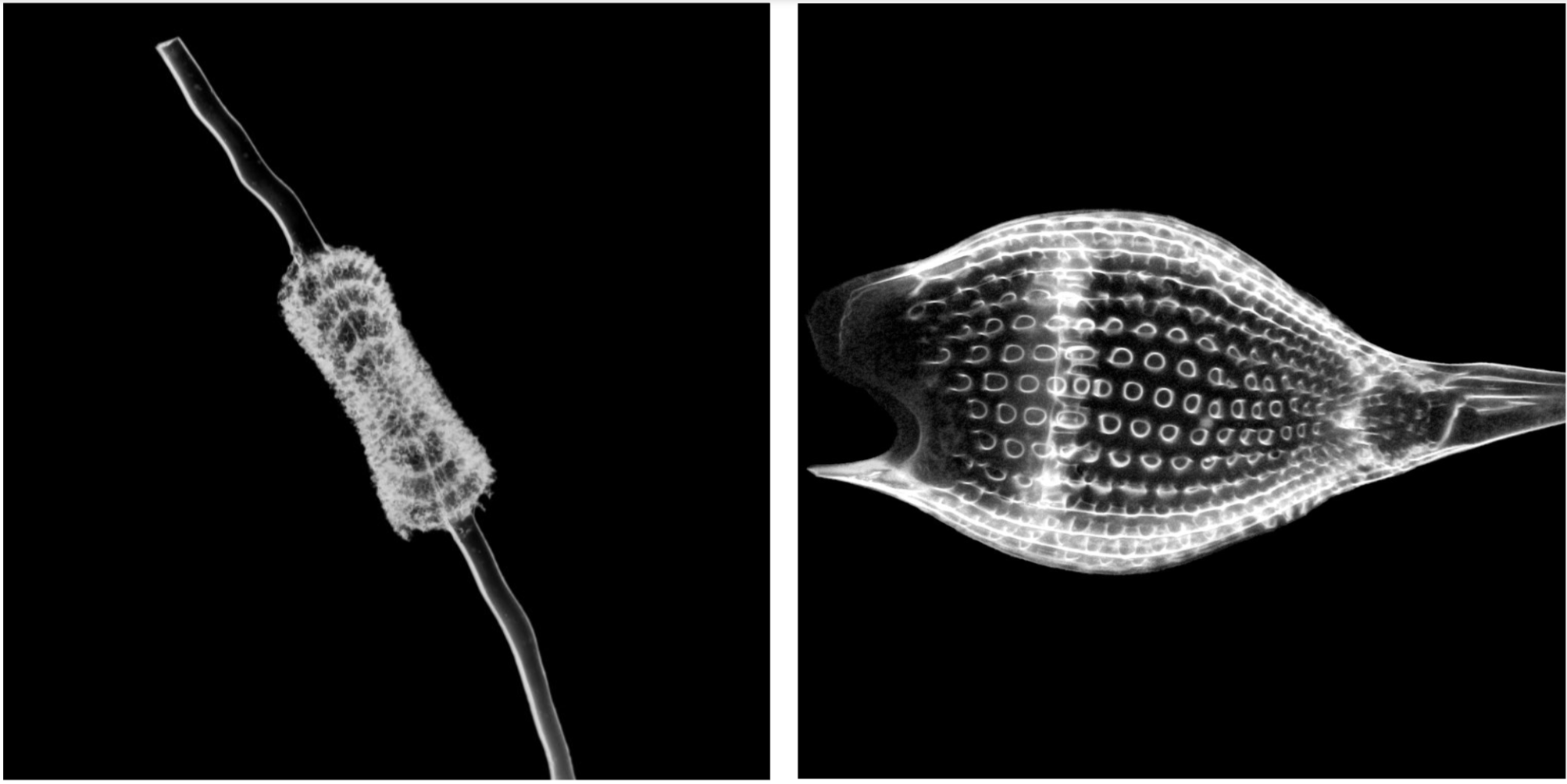
Radiolarians are single-celled marine plankton known for their glass-like silica shells. They typically feed on small zooplankton, microbes, and detritus that rains down from the ocean surface as marine snow. Many radiolarians harbor algal endosymbionts. One group, the order Collodaria, lives mostly in the upper 100 m, and every member carries photosymbionts in its cytoplasm. This relationship is believed to be obligate, meaning one or both organisms requires the other to survive and reproduce. While some studies suggest that symbionts provide up to 80% of the radiolarians’ carbon requirements, the number is still contested, and the specific compounds or forms of that carbon are not well resolved. Further, it’s also suggested that symbionts may provide specialized metabolites like dimethylsulfoniopropionate (DMSP), which is an important contributor to the global sulfur cycle and acts as a crucial antioxidant and signaling molecule.
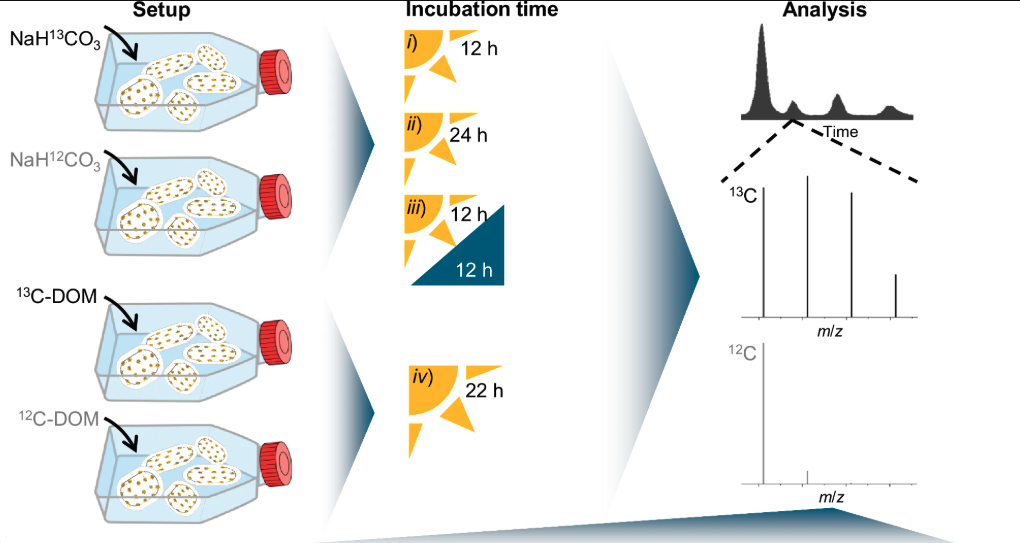
In this study, two researchers in Germany set out to trace the origin of primary and specialized metabolites in radiolarion photosymbiosis using stable isotope labeling and metabolomics across four experimental setups. These were i) incubations of symbiotic radiolarians with ¹³C bicarbonate in the light, ii) incubations in a light/dark regime to monitor turnover, iii) incubations under prolonged illumination to study buildup of various metabolites, and iv) incubations with labeled dissolved organic metabolites from algal lysate to monitor direct uptake by the host via osmotrophy (taking in food directly across the cell membrane).
Teamwork makes the symbiotic dream work
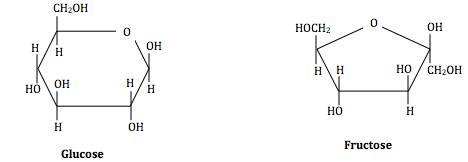
First, radiolarians without their symbionts survived poorly when conditions were variable. When together, the symbiont provides sugars like glucose and fructose to its host via photosynthesis. In the dark, these sugars are converted to other metabolites, and the pool is replenished from other sources. The radiolarian itself does some work as well, using osmotrophy to take in molecules like inositols, cyclic compounds found in eukaryotic cells to protect from osmotic stress and mediate cell signaling; however, it cannot take in amino acids and sugars via osmotrophy alone.
In the case of DMSP, the researchers found that the holobiont has a larger than expected amount of labeled DMSP after incubation with the algal lysate in the light. This suggests that the organism can take in this crucial compound both through photosynthesis and via osmotrophy, pointing toward this relationship as an overlooked sink of DMSP and sulfur in the world’s oceans.
A few more boxes in the ocean model
All together, the model looks like this: When light is available, the algal symbiont is able to photosynthetically provide the host with sugars like glucose and fructose, which are used for everyday respiration to generate energy. The remaining photosynthetically derived carbon is converted to other compounds like inositols, which serve other roles like cellular signaling. Corals show the same pattern, which hints at a possible shared strategy across different hosts.
Together, the results allow for the further mapping of the biosynthetic pathways behind photosymbiosis. Further, they help integrate mixotrophic organisms into modern food web models, which is increasingly important as more examples of these partnerships are found and the oceans are increasingly subjected to changes in climate and human impact.
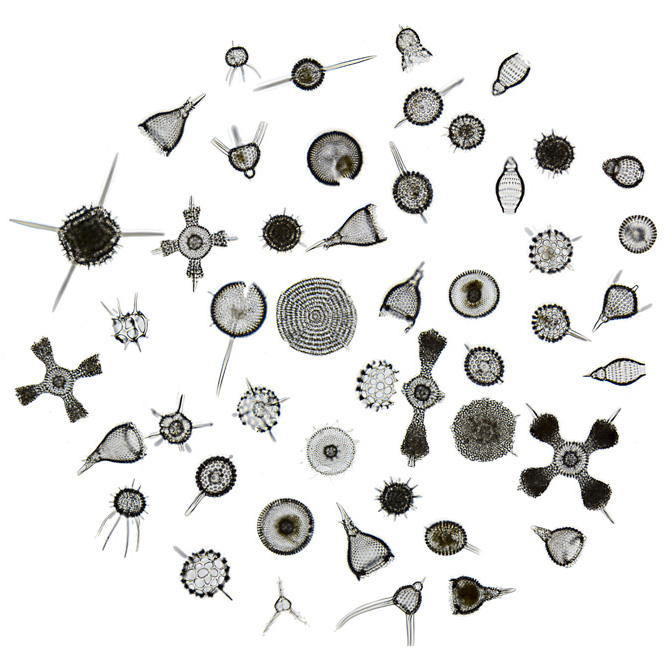
Cover image is a collection of radiolarian shapes found in sediment, Frank Fox, Wikimedia

I’m a former oceanographer with an MSc in Biological Oceanography from UConn where I studied mixotrophy in marine ciliates. After a year in Poland (studying freshwater critters) I moved to California. I currently work as a lab technician at Stanford. Outside of science, I enjoy a good book, a long run, and frozen fruit.


.jpg)

