Köhn, E. E., Kwiatkowski, L., Mignot, J., Gastineau, G., Torres, O., Orr, J. C. Persistence of Arctic Ocean acidification under negative emissions. Nature Climate Change (2026). https://doi.org/10.1038/s41558-026-02715-9.
Recovery isn’t always immediate
Nearly all of us get sick at some point. Symptoms can range from mild to severe, and recovery can look different from one person to another. Sometimes the body begins healing on its own. At other times, treatment is necessary. But even after treatment begins, getting better can take time. The same principle applies to the ocean.
Climate change has affected oceans around the world, but not every region has experienced those impacts in the same way. One of the most widespread changes is ocean acidification, or the long-term decrease in ocean pH caused by the absorption of excess CO2 from the atmosphere. More CO2 increases the concentration of hydrogen ions in seawater, making it more acidic and reducing the availability of carbonate ions needed by marine organisms to build shells and skeletons.
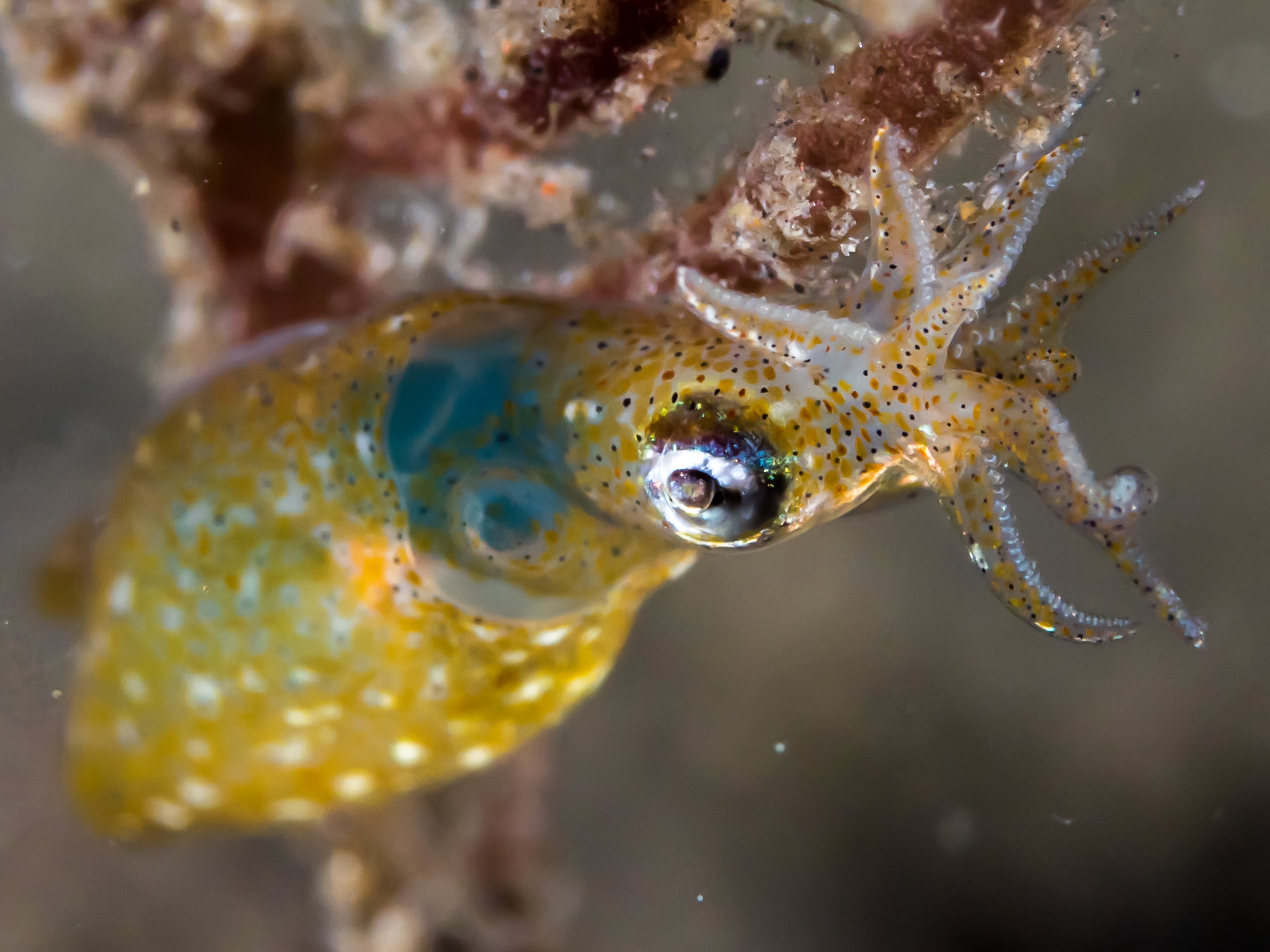
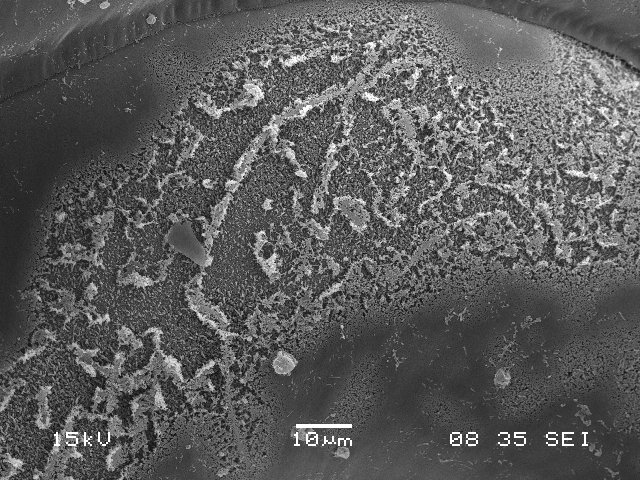
The Arctic Ocean is particularly vulnerable to acidification. Under continued increases in atmospheric CO2, the Arctic Ocean is projected to experience the strongest ocean acidification in the world. Several factors contribute to this sensitivity including CO2 exchange between the atmosphere and surface waters, the transport of human-produced carbon from the Atlantic and Pacific Oceans, relatively low buffering capacity, and freshwater from melting ice and rivers. As a result, the Arctic is projected to be the first major ocean basin to become undersaturated with respect to aragonite, a form of calcium carbonate used by many marine organisms to build their shells and skeletons. When aragonite becomes less available, it becomes more difficult for these types of organisms, such as pteropods, to build and maintain their shells (Fig. 1).
So, in other words, the Arctic may be one of the ocean’s most vulnerable patients. The question becomes what happens when treatment begins.
Removing CO2
Meeting the Paris Agreement’s climate goals requires substantial reductions in human-caused CO2 emissions alongside carbon dioxide removal strategies that remove CO2 from the atmosphere.
But stopping the addition of more CO2 and even removing CO2 from the atmosphere does not necessarily mean that the ocean immediately returns to its previous state. An important question exists: How reversible is ocean acidification?
The Ocean Does Not Simply Retrace its Steps
Köhn and their research team examined what happens to ocean acidification as atmospheric CO2 first increases and then decreases, representing a transition from increasing to declining atmospheric CO2.
If the ocean responded instantly and reversibly, we would expect its aragonite saturation state to follow the same path in both directions: as CO2 rises, acidification increases, and as CO2 falls, acidification decreases along the same trajectory. But that was not what happened in the Arctic.
The researchers found evidence of hysteresis, meaning that the ocean responded differently to increasing and decreasing CO2 even at the same atmospheric CO2 concentration. In Figure 2, the difference between the start of the CO2 increase (white circle) and end of the CO2 decrease (blue circle) is particularly large in the Arctic compared with the other regions shown. In other words, the Arctic is a hotspot for delayed reversibility of ocean acidification.
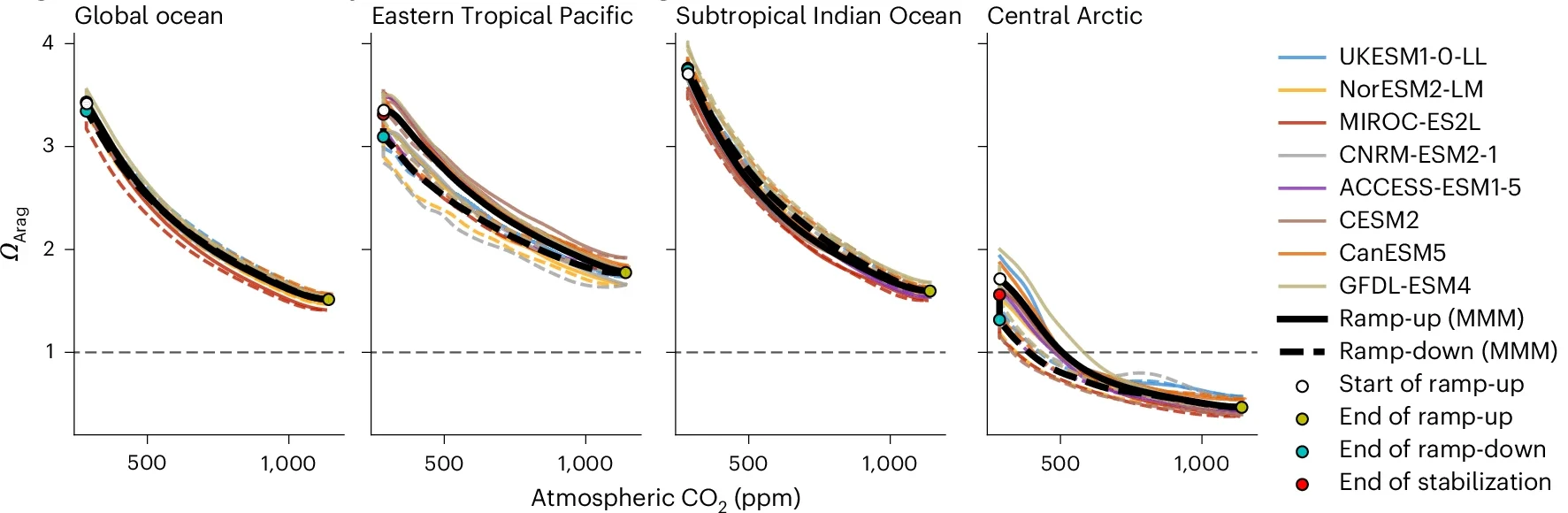
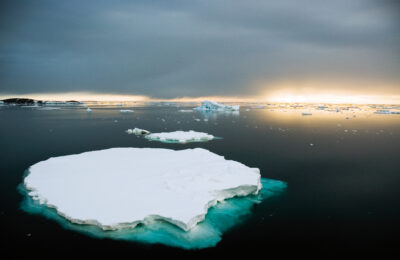
One reason for this difference is sea ice. Historically, sea ice limited gas exchange between the atmosphere and ocean. This helped to maintain a deficit of dissolved inorganic carbon in the Arctic Ocean surface waters. As warming causes sea ice loss, more open water becomes available for CO2 to enter the ocean.
When atmospheric CO2 declines, however, the Arctic does not immediately return to its previous state. The carbon deficit in surface waters takes time to recover, especially because it also takes time for sea ice conditions that maintained the deficit to return.
As a result, the Arctic can remain more acidic during declining CO2 than at the same CO2 concentration while CO2 was increasing.
The Recovery Timeline
The researchers found that Arctic acidification and corrosive conditions for aragonite persist until atmospheric CO2 falls roughly ~ 120 ppm below the CO2 threshold at which those conditions first appeared during rising CO2 conditions. Thus, Arctic Ocean acidification will be more intense and more persistent compared to other ocean basins.
Although reducing atmospheric CO2 and removing CO2 from the atmosphere is important for ocean recovery, the ocean may not immediately recover when CO2 falls. In fact, the Arctic may be among the last places to get relief from acidification.
Like a patient recovering after treatment, the Arctic Ocean may need considerable time to heal even after the medicine has started working.
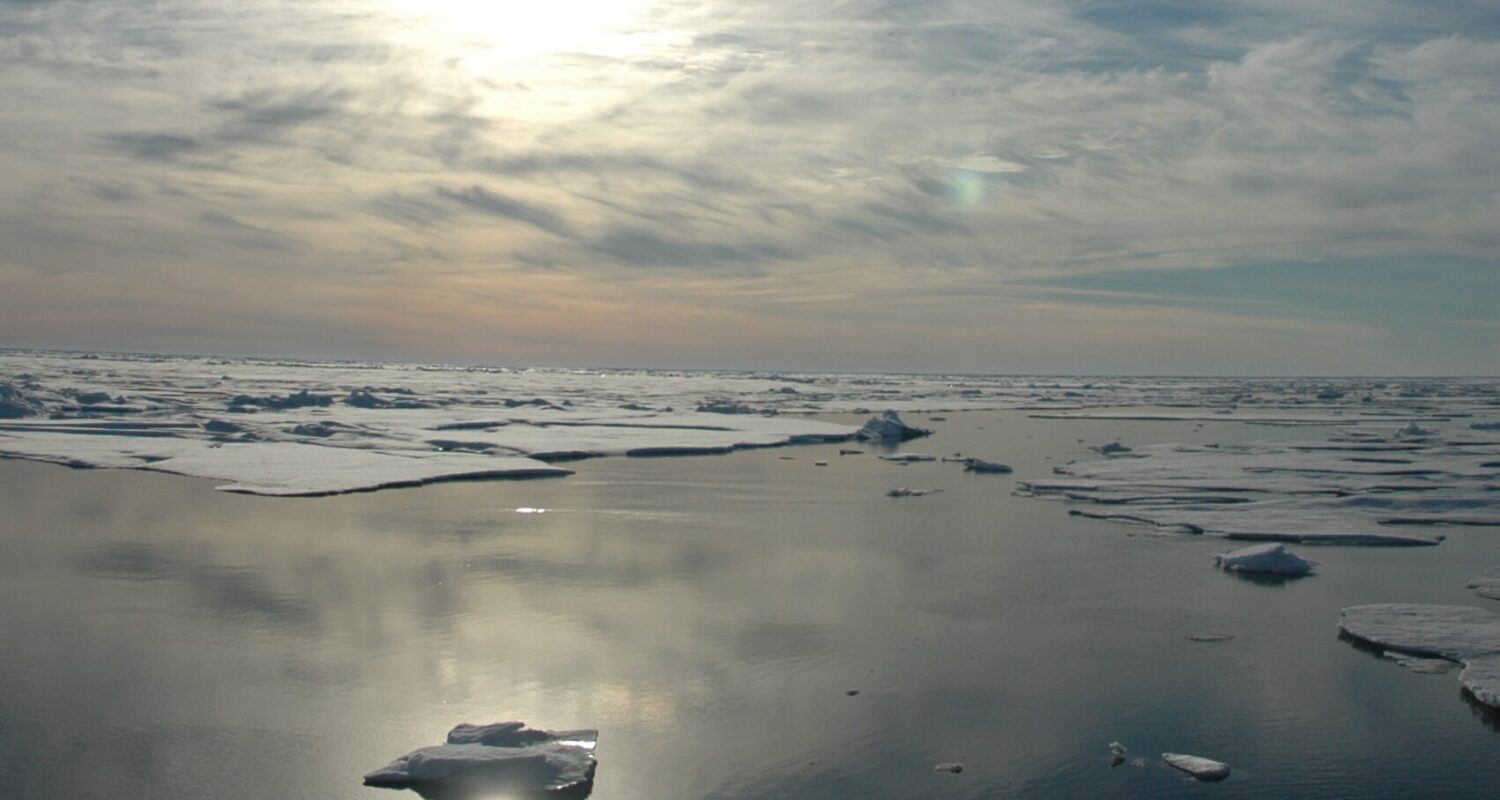
Cover image is from the Canadian Basin of the Arctic Ocean picturing the midnight sun, melting Arctic ice, open leads, and cirrus clouds. Image was taken by Jeremy Potter July 22, 2005 and obtained from the NOAA Public Domain Library.
I am a Ph.D. Candidate at the University of Connecticut–Avery Point studying the marine carbonate system in the Arctic Ocean. My research focuses on biogeochemical changes occurring within sea ice as the Arctic continues to warm. Outside of my research, I enjoy hiking, running, aerial gymnastics, paddleboarding, traveling, and spending time with family and friends.