
Kay, S.W., Rowley, A.G., Visona-Kelly, B.C. et al. Costs of maternal care revealed through body condition in Northern Resident killer whales (Orcinus orca). Sci Rep 16, 5355 (2026). https://doi.org/10.1038/s41598-026-38696-0
Offspring in the Pacific
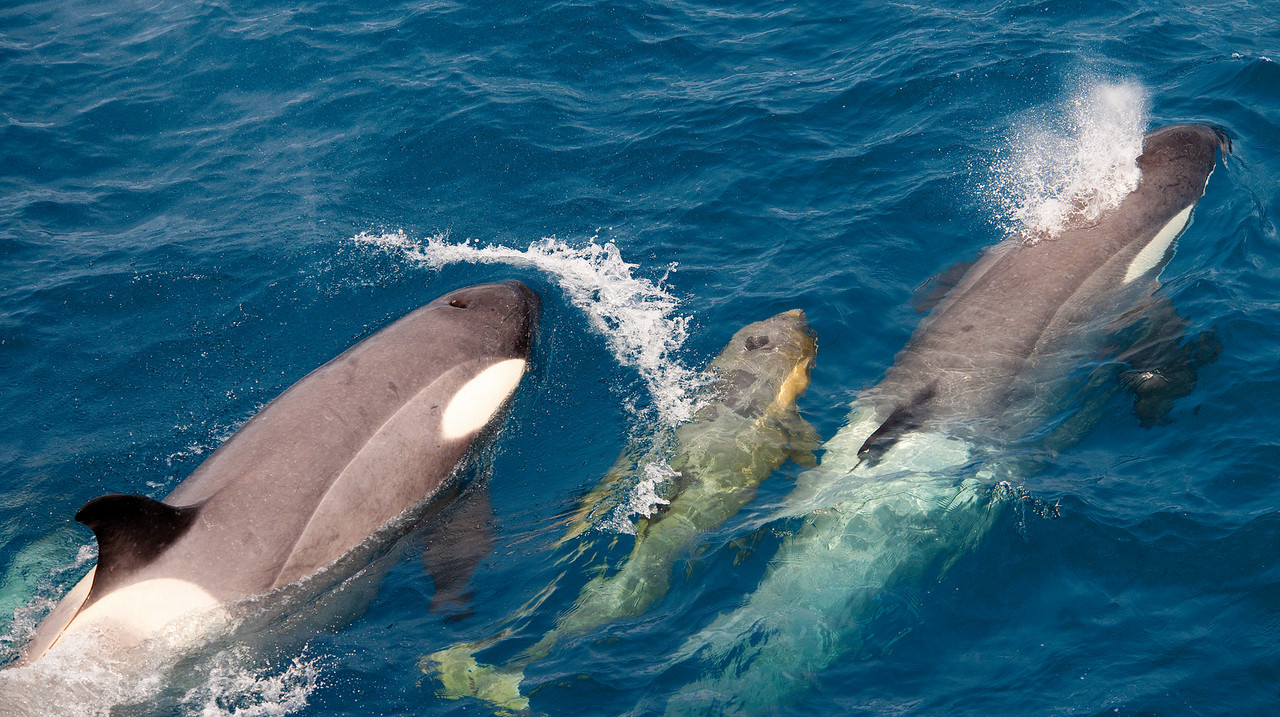
One of the most captivating megafauna in the marine environment is the killer whale. Imagine a cold, wind-swept day walking along the coastline of the Northeastern Vancouver Island. Across the deep blue waters and whitecaps, you spot a familiar black-and-white shape breaking across the surface that brings back memories of Free Willy. Suddenly, another smaller twin appears, a mother and her calf. For years, these two will travel the Pacific together, but how much does the level of care cost the mother?
Wildlife parental care is a branch of ecology that studies how the energy parents invest in offspring affects the survival of both the young and the larger population. The investment can have a large time range, beginning before conception and extending long after birth. Theory suggests there is a balance between the number of offspring and how much care each receives from the parent. This is known as “K” vs. “R”-selected species.
The ecology of parenting
R-selected species thrive in unstable environments by producing large numbers of offspring with little parental investment. Think of baby sea turtles racing to the sea with circling birds overhead; sometimes you just have to be lucky.
K-selected species, meanwhile, are the opposite. Fewer offspring, but greater investment in each one. That’s us! Along with other long-lived mammals, pregnancy, birth, and the raising of young require substantial energy, particularly from females whose bodies support the generation of life.
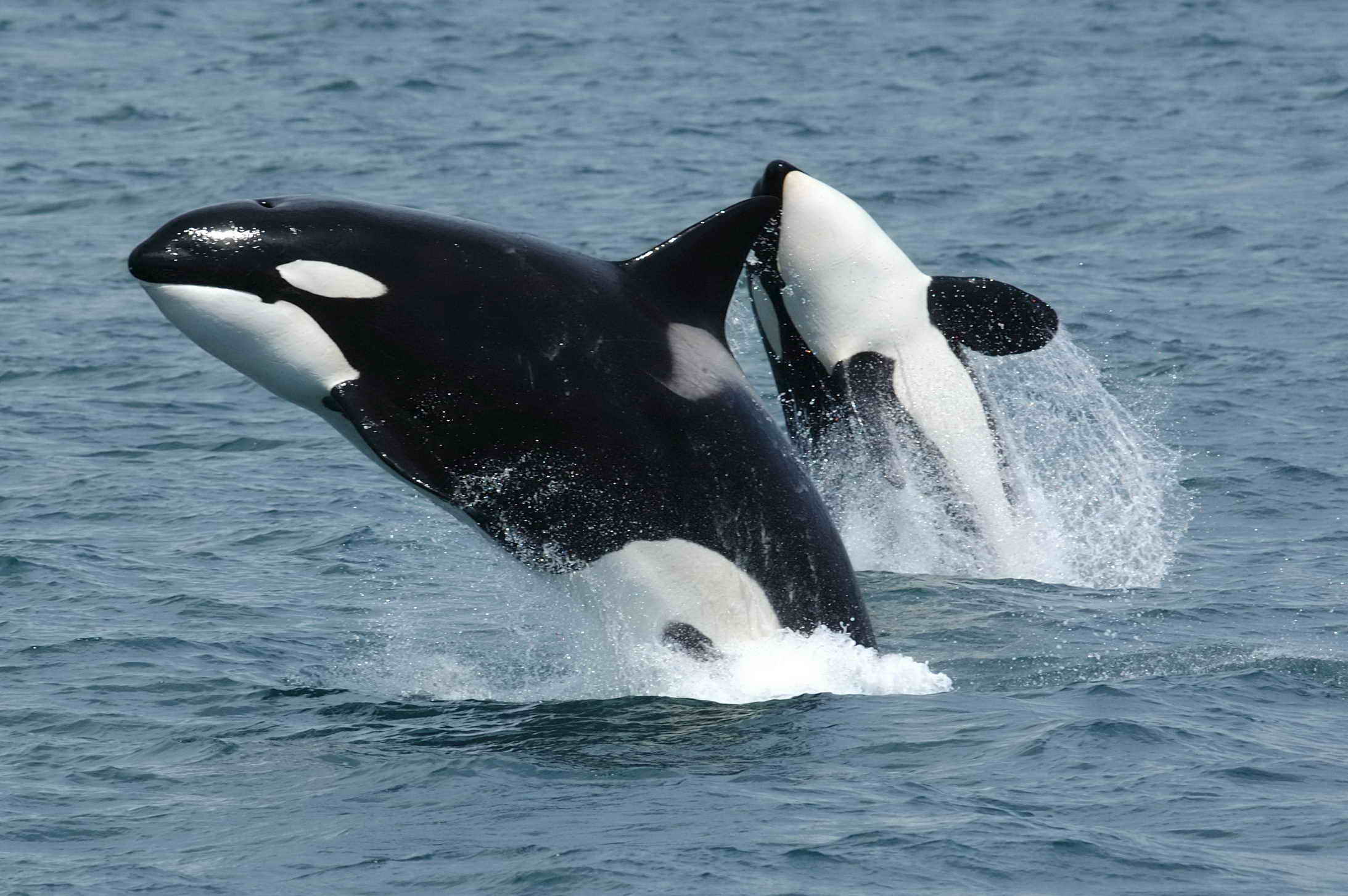
Resident killer whales (Orcinus orca) of the Vancouver Islands are an ideal case to study these costs. Orcas invest heavily in maternal care, with pregnancies lasting up to 18 months, followed by three years of nursing. Calves are usually born between September and March, though breeding can occur year-round. Researchers mainly from the University of Victoria wanted to study how long-term investment affects the physical condition of mother orcas.
Measuring health with pictures
From 2014 to 2023, field observations were conducted along Northeastern Vancouver Island in British Columbia. The whales, our lovely Free Willys & Willas, were located with visual and acoustic surveys and then photographed with DSLRs and drones. The aerial images allowed the researchers to estimate body condition using photogrammetry. Simply put, stressed whales tend to lose tissue near the head; therefore, by measuring the distance between eye patches, scientists can estimate individual health.
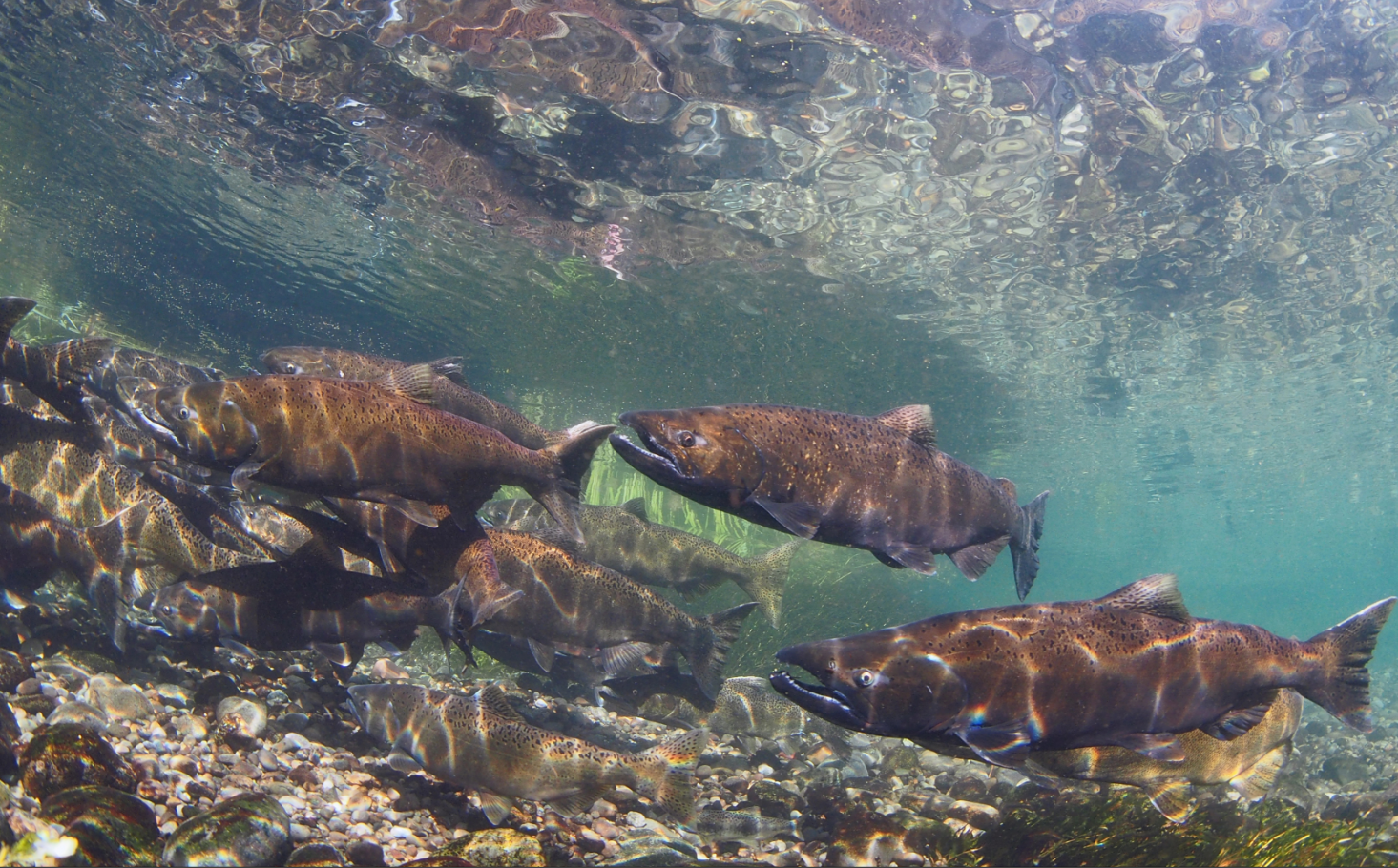
The study hoped to address several questions related to the cost of parental care. Does the number of living offspring affect the mother’s health? Does the total number of reproductive events matter? Do sons cost more than daughters in terms of resources? And how does prey availability, in this case Chinook salmon, change how maternal investment impacts health?
The cost of long-term care
The results addressed all four. During late pregnancy, females tended to improve in body condition, likely building fat reserves via food intake to prepare for lactation. After birth, however, the body condition would drop during the first two years before recovering in the third year. As any mother will tell you, raising a child takes a lot out of you.
Social structure can also influence recovery. Resident killer whales live in large social groups or pods, and the presence of other females can affect how quickly mothers rebound in condition. Even whales sometimes need a girls’ night to relax.
Based on the results, the researchers found that a mother’s condition was most strongly linked to the number of living offspring, rather than simply the number of total births. This supports the lifelong care hypothesis: that the ongoing effort of feeding, sharing prey, and supporting offspring costs more than the act of birth alone. The sex of the offspring did not significantly affect maternal condition, offering little support for the expensive sons hypothesis—though my mom may disagree. While the orcas typically rely on Chinook salmon as a key prey, its abundance during the study period didn’t show a strong relationship with maternal condition.
Protecting the pod mothers
All together, the findings suggest that long-term parental care plays a major role in shaping the health of female killer whales and the stability of their populations.
This all connects to conservation efforts. Northern Resident killer whales face many pressures such as noise pollution, contaminants, and shifting prey distributions. Given that reproduction and rearing carry significant costs, additional environmental stressors can disproportionately affect breeding females and have ripples across entire local populations.
Understanding the hidden biological costs reveals a clear truth about these enticing creatures: behind every breaching calf is a demanding investment by its mother, which permeates the pod and helps determine the future of the entire population.
Cover image is a new orca calf and mother in the Gulf of Alaska, USDA Forest Service, Sabrina O’Neal, Wikimedia

I’m a former oceanographer with an MSc in Biological Oceanography from UConn where I studied mixotrophy in marine ciliates. After a year in Poland (studying freshwater critters) I moved to California. I currently work as a lab technician at Stanford. Outside of science, I enjoy a good book, a long run, and frozen fruit.

.jpg)


.jpg)