
Cui, L., Xie, L., Zheng, J. et al. Mechanisms of light harvesting complex proteins in photoprotection of the brown tide alga. Nat Commun 16, 11089 (2025). https://doi.org/10.1038/s41467-025-66000-7
Coastal chaos
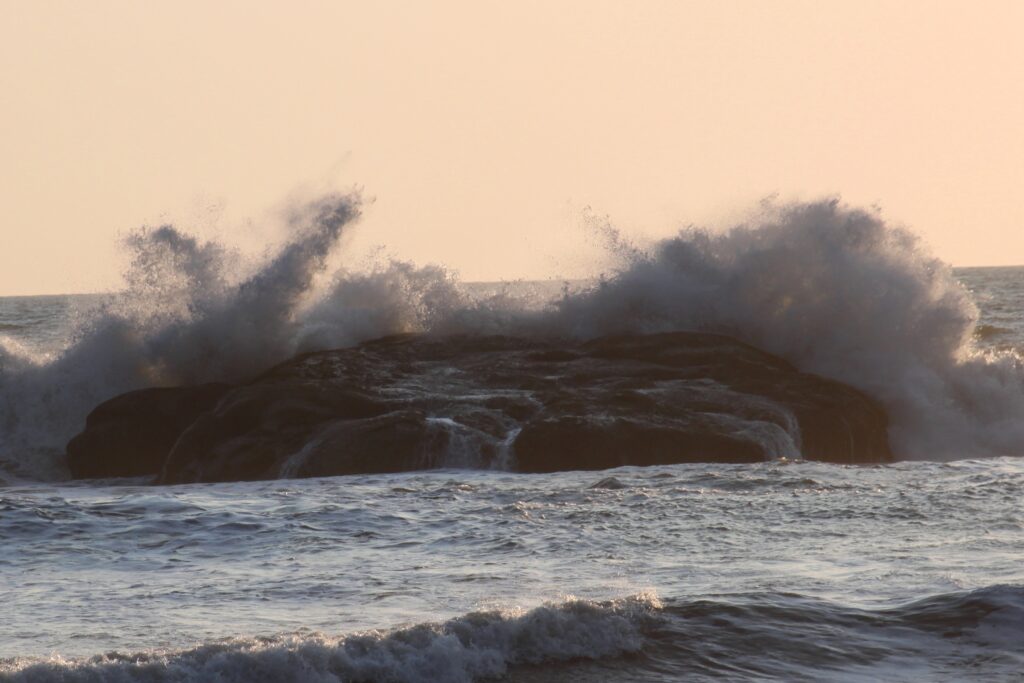
Coastal oceans are chaotic. Waves crash into rocky shores, overturn the water column, and conditions can shift rapidly over short distances. For the organisms that live there, this constant motion is a challenge in itself. For photosynthesizing phytoplankton, it’s even worse: staying in the light long enough to grow can be a daily struggle.
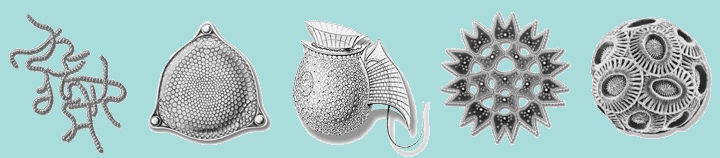
In coastal waters, light availability can change hour to hour and meter to meter. Most algae, microscopic critters that are photosynthetic like plants, respond to this by specializing. Some commit to life at the surface, developing ways to stay afloat while protecting themselves from excess light. Others stick to the shade, thriving a few meters down with highly efficient light-harvesting machinery that squeezes value from every photon.
These strategies come with trade-offs. Algae adapted to low light are often vulnerable to sudden exposure to bright light. Think of how your eyes adjust in the dark—you can see more over time, but a sudden flash is blinding. The same is true for the photosynthetic machinery of shade-adapted algae. One notable exception is the cyanobacterium Prochlorococcus, one of the most abundant phytoplankton on Earth. Its adaptability, along with that of its close relative Synechococcus, has made them some of the most important primary producers in the world.
An alga that sits on the fence
A lesser-known alga seems to play a similar game. Aureococcus anophagefferens ignores this binary choice and thrives throughout the water column. It’s found in coastal waters around the world, including the United States, South Africa, and China. When conditions are right, it can form massive blooms known as “brown tides”—these harmful algal blooms (HABs) can damage ecosystems, fisheries, and local economies. So how does this alga succeed in such an unpredictable environment?
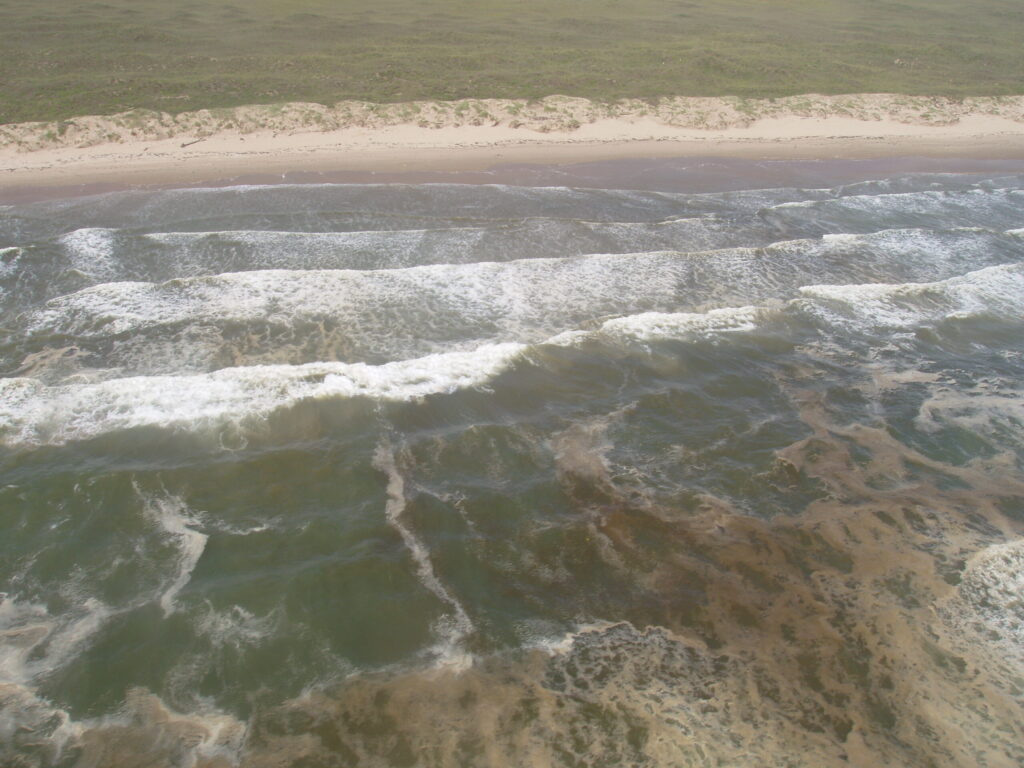
To answer this, researchers conducted year-round sampling at 20 sites in China’s Bohai Sea, a region prone to brown tides. In 2013 samples were collected from both the surface and deeper waters, then analyzed in the lab with established cultures. The goal was simple: figure out what gives A. anophagefferens its competitive edge.
Adapt fast and survive
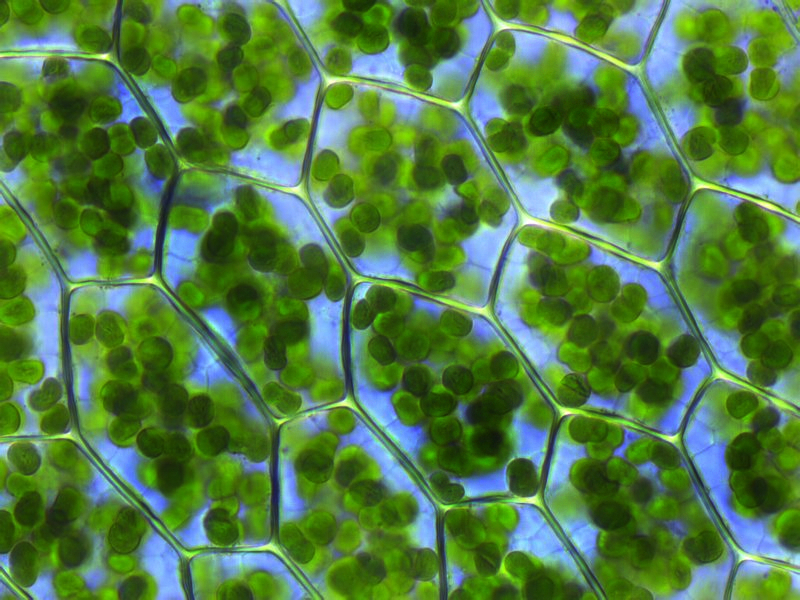
One clear advantage is its ability to respond rapidly to changes in light. Unlike most algae, A. anophagefferens isn’t confined to a single light niche. It remains evenly distributed from the surface down, efficiently using low light while also tolerating sudden bursts of intense illumination. This is important because its chloroplasts—the specialized organelles that capture light and convert it to energy through photosynthesis—are both highly sensitive and essential for survival. The alga achieves this balance through a few clever biological strategies to protect and regulate these light-harvesting systems.
First, it has an unusually large toolkit of light-handling proteins. Where many algae rely on a small, specialized set of tools, A. anophagefferens carries an entire toolbox. Some of these proteins only switch on when light levels spike, acting like pressure-release valves that safely dissipate excess energy as heat—a process known as non-photochemical quenching. In some cases, the same protein can both harvest light and dump excess energy, making the system remarkably efficient.
At the molecular level, the mechanism is surprisingly elegant. Bright light causes the inside of the chloroplast to become more acidic. Certain proteins sense this shift and physically change shape in response, allowing them to release excess energy before it causes damage. Central to this sensing mechanism are specific amino acids (protein building blocks) within the protein. In particular, two glutamate residues act as tiny pH sensors, detecting subtle chemical changes inside the chloroplast and triggering the protective response.
Small proteins, big consequences
This flexibility provides major ecological advantages. Rapid light sensing means faster growth, less damage, and fewer trade-offs. In unstable environments like coastal oceans, flexibility often beats specialization.
As climate change continues to shift marine environments, the turbidity of coastal waters may become more common. This gives an even greater edge to organisms that can adapt to fluctuating light. That may mean more frequent and intense harmful algal blooms in the future. Aureococcus anophagefferens is a reminder that small molecular tricks can scale up to ecosystem-level consequences—and that sometimes, adaptability is the most powerful strategy.
Cover image is sunlight coming down through water off the coast of Brittany, Olivier Dugornay

I’m a former oceanographer with an MSc in Biological Oceanography from UConn where I studied mixotrophy in marine ciliates. After a year in Poland (studying freshwater critters) I moved to California. I currently work as a lab technician at Stanford. Outside of science, I enjoy a good book, a long run, and frozen fruit.

_(2).jpg)

.JPG)

.jpg)