Sylvers, L.H. and Gobler, C.J. (2025), Inhibition of cosmopolitan toxic diatom, Pseudo-nitzschia, by seaweeds. Limnol Oceanogr. https://doi.org/10.1002/lno.70127
Seaweed can be annoying, but HABs are worse
If you’ve ever gone SCUBA diving off the West Coast, you may have learned the “kelp crawl.” This is a slow-motion, awkward swim through a forest of seaweed to reach the dive boat. Or most people have felt something brush their leg while swimming and panicked, only to realize they’re being greeted by a harmless ribbon of drifting seaweed.
The group of multicellular macroalgae, collectively called “seaweed,” can be annoying to us landlubbers, but it may also be one of the ocean’s best defenses against harmful algal blooms (HABs). These blooms can poison ecosystems, contaminate seafood, and disrupt entire fisheries. However, seaweed may help keep them in check.
In fact, there is a booming industry of seaweed farming. Species like Saccharina japonica are grown on a massive scale in East Asia, and U.S. regions like the Gulf of Maine are joining in too, combining kelp farms with bivalve aquaculture. But can these leafy macroalgae really fight back against harmful out-of-control microbes?
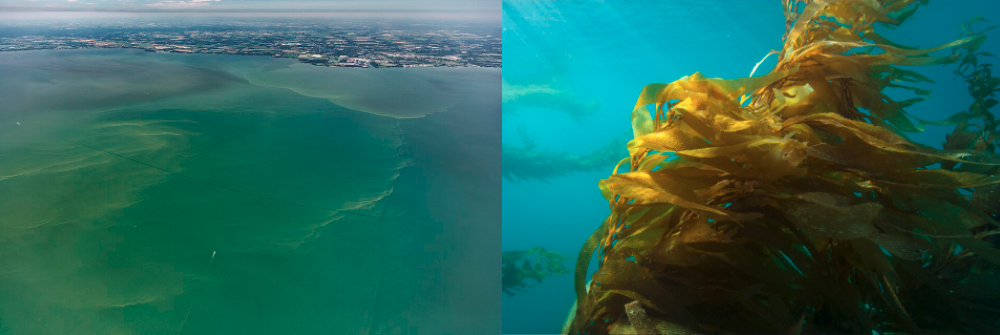
Can kelp kill a bloom?
A team from Stony Brook University set out to test whether certain commercially viable seaweeds could suppress the growth and toxicity of Pseudo-nitzschia—a genus of diatoms known for producing domoic acid, a dangerous neurotoxin behind amnesic shellfish poisoning.
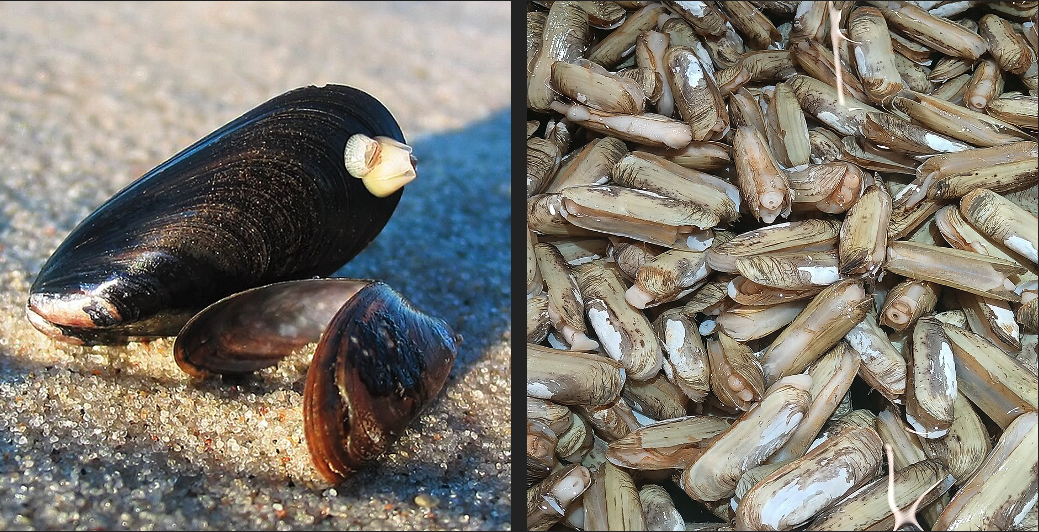
They co-cultured Pseudo-nitzschia with various seaweed species, including Saccharina latissima, Ulva sp., and Gracilaria sp., at different densities to see how the diatoms would respond. Then, to add ecological realism, they introduced blue mussels and razor clams into the mix—both important filter feeders that can accumulate domoic acid.
What they found was pretty impressive. Diatoms grown without seaweed flourished, forming early-stage blooms. But in the presence of seaweed, their growth was significantly inhibited, and even their photosynthetic capacity took a hit. That translated into real-world impact: mussels and clams exposed to diatoms alongside seaweed in 4-day experiments accumulated up to 65% less domoic acid in their tissues compared to controls!
But how do these green, leafy water plants do it?
The answer lies in “allelopathy,” or “the chemical inhibition of one organism by another.” Through a combination of small pH changes, nutrient competition, and chemical compounds of their own, seaweeds can actively shape the surrounding microbial environment.
Seaweed might just save us all
As climate change threatens to raise ocean temperatures, the oft-cited worry is that harmful algal blooms may become more frequent and intense. The blooms can disrupt cycles, cause mass die-offs, and create dangerous feedback loops in marine ecosystems.
This study showed that seaweed aquaculture may offer a powerful tool for managing HABs, not by eliminating algae entirely, but by suppressing bloom formation and reducing the buildup of dangerous toxins in crucial filter feeders.
So the next time you find yourself wading through a dense underwater forest or untangling kelp from your wetsuit, spare some appreciation for our slimy, leafy allies.
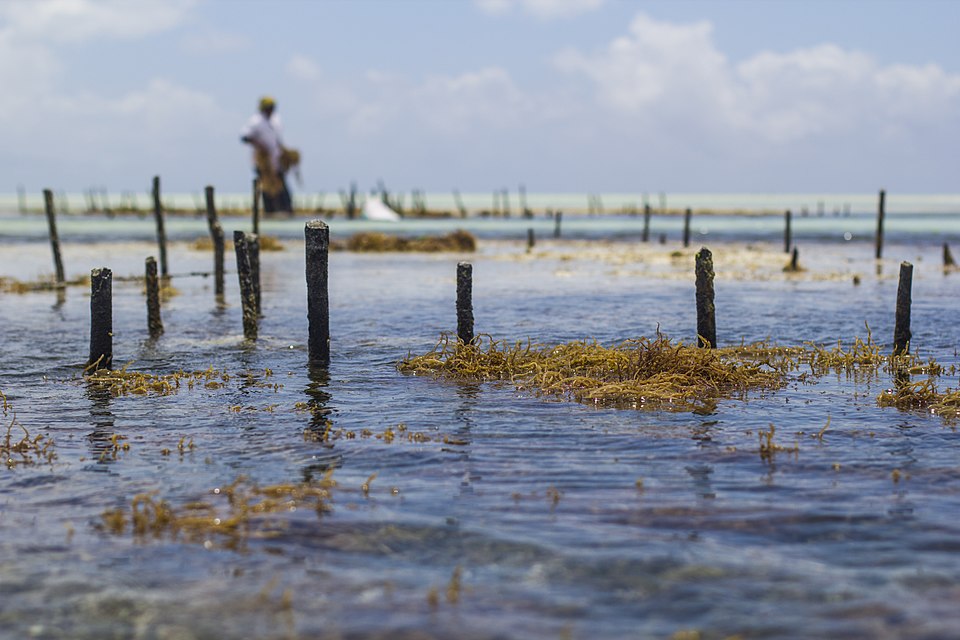
Cover image is a seaweed farm in Zanzibar, Rachel Clara Reed, Wikimedia

I’m a former oceanographer with an MSc in Biological Oceanography from UConn where I studied mixotrophy in marine ciliates. After a year in Poland (studying freshwater critters) I moved to California. I currently work as a lab technician at Stanford. Outside of science, I enjoy a good book, a long run, and frozen fruit.

.jpg)


.jpg)
